Key Takeaways from the 2026 Climate Report
The 2026 climate report doesn’t offer warnings it offers confirmation. The planet is in fast forward. Temperatures shattered monthly records five times in a row, a trend that’s no longer an outlier but the new pattern. What used to be extreme heat is now average, and what used to be average is long gone.
Ice loss in Antarctica and Greenland blew past previous forecasts. Entire shelf systems are destabilizing faster than models predicted. Glaciers that were supposed to last decades are instead vanishing within years.
Meanwhile, ocean heat is climbing, and with it, acidity. Coral bleaching is no longer episodic it’s near constant in key regions. Fisheries are collapsing. Marine ecosystems are teetering into new, less biodiverse states. These aren’t abstract shifts; they directly affect food systems, weather patterns, and coastal economies.
Scientifically, the signals are loud. Politically and socially, what follows remains the open question. For more details, see the full climate change alert.
Extreme Weather Events on the Rise
In 2026, extreme weather didn’t just hit harder it hit everywhere. Southern Europe and North Africa faced the worst droughts in over a century. Rivers that once drove agriculture and trade ran dry, putting pressure on food supply, energy grids, and entire economies. Crops failed. Water became a political issue, not just a resource.
At the same time, Southeast Asia saw a relentless wave of flooding. Monsoons intensified beyond forecast models, breaching reservoirs and displacing millions across low lying countries like Bangladesh, Vietnam, and the Philippines. Entire regions were turned into temporary inland seas. Livelihoods, homes, and critical infrastructure were washed away in weeks.
Meanwhile, wildfire season in places like California, Australia, and the Mediterranean isn’t just longer it’s practically year round. Fires are burning faster, hotter, and over larger areas. Emergency crews are stretched thin, and air quality plummeted in major urban centers far from the flames.
The cost of these overlapping disasters is staggering. Insurance payouts are through the roof, economies are grinding under constant recovery cycles, and supply chains especially for food and building materials are getting hammered. Social stress is climbing too, as communities try to rebuild with less and less margin for error. It’s not one off disasters anymore. They’re stacking, and the system is buckling under the weight.
What’s Behind the Acceleration

After a brief pandemic related dip, emissions came roaring back. Air traffic resumed, industrial output surged, and fossil fuel use snapped back to pre 2020 levels fast. The pause gave us a glimpse of what emissions reductions could feel like, but it also showed how unprepared we were to make those changes stick.
Governments and industries have dragged their feet on carbon reduction strategies. Some plans were shelved, others delayed into irrelevance. It’s not just inertia it’s short term priorities winning out over long term survival. Meanwhile, the greater danger is unfolding in the background.
Climate feedback loops are starting to feed themselves. Arctic ice is melting faster, lowering Earth’s ability to reflect heat. Thawing permafrost is releasing methane, a gas far more potent than CO2. These processes, once thought to be decades off, are happening now and stacking on top of each other.
We’re not just behind schedule. We’re entering a phase where nature is no longer just reacting it’s accelerating the crisis.
More details here: climate change alert.
The Global Response So Far
The G8 summit wrapped with the usual soundbites urgency, commitment, bold promises. But this time there’s some movement under the hood. A joint climate emergency framework is on the table, with proposed binding targets for 2030 that go beyond optics. Whether those targets survive internal politics is another question, but at least the tone has shifted from vague to almost specific.
Carbon border taxes are also gaining real world traction. The pitch is simple: make it costly to pollute internationally if you’re trying to sell into green economies. It’s an idea that’s been kicked around for years, but now the EU and Canada are prepping pilots, and that alone is pressuring producers to clean up or pay up.
Meanwhile, major companies especially those in food, logistics, and data are pivoting toward climate resilience rather than mitigation. They’re not banking on prevention anymore; they’re preparing for direct impacts. Think flood proof warehouses, backup energy grids, and crop loss algorithms. It’s practical, not altruistic.
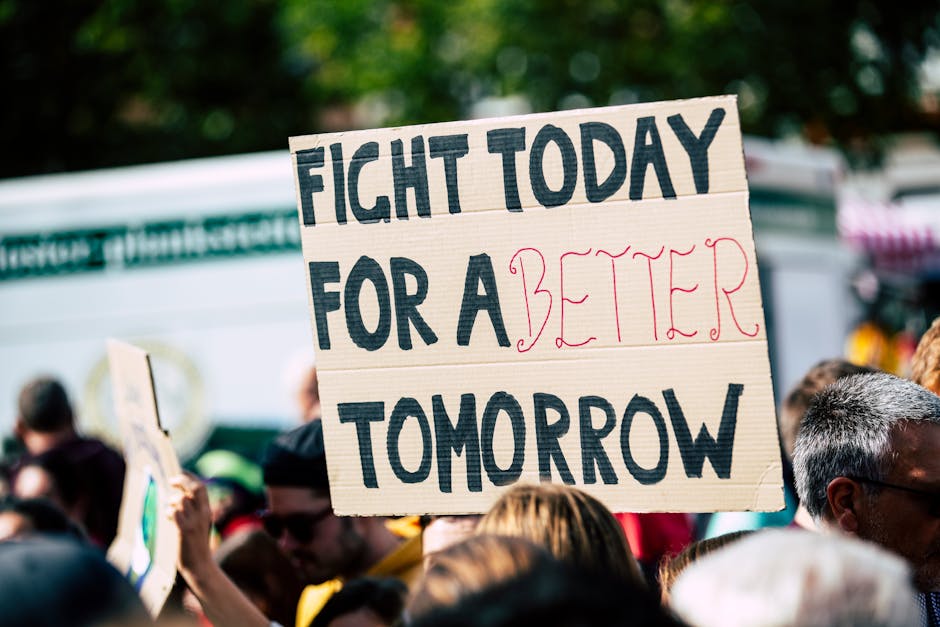
And the pressure from below? Youth led movements aren’t waiting on bureaucrats. Instead, they’re storming policy forums, flooding social channels with facts, and calling for formal emergency declarations from agencies like the UN. They’re organized, informed, and increasingly impossible to ignore. If decision makers drag their feet now, they do so under a much brighter spotlight.
Critical Gaps in Action
A lot of promises have been made. Not enough are being kept. Climate financing, particularly for vulnerable nations, continues to lag far behind what was pledged in earlier summits. The $100 billion a year target that wealthier countries agreed on? Still a headline goal, not a delivered reality. For communities already dealing with rising seas, lost crops, and heat extremes, the wait isn’t just frustrating it’s existential.
The gap widens with adaptation tech. Water efficient farming solutions, storm resilient infrastructure, affordable early warning systems these aren’t reaching the places that need them most. These tools exist. What’s missing is scaled deployment and long term investment in local resilience, especially across the Global South.
Then there’s the legal side. Climate displacement is increasing, but international law hasn’t caught up. There’s no clear status for climate migrants under current refugee conventions. Countries are improvising responses, but without consistent legal frameworks, displaced people fall through cracks without protection and without a plan.
The science is moving fast. So are the impacts. But support systems financial, technological, legal are dragging behind. That mismatch could shape the next era of climate injustice unless addressed head on.
What Needs to Happen Next
The climate clock isn’t just ticking it’s blasting warning sirens. If the world’s biggest polluters don’t cut emissions now, the rest becomes noise. Power, steel, shipping, aviation these sectors need to act, not talk. Convert factories. Shift fuels. Redesign supply chains. And no, 2040 targets aren’t urgent enough. Immediate action is the new baseline.
Policies look good on paper, but real leadership is in the doing. Governments must stop handing out climate pledges at summits like party favors. Enforceable policy with clear timelines, backed by funding and penalties that’s what makes emissions drop.
Equally vital: honoring and integrating Indigenous knowledge. These communities have managed ecosystems sustainably for generations, yet are still sidelined in high level planning. Bring their voices into the rooms where decisions get made and treat them as co leaders, not spectators.
Finally, take off the blindfold. Climate tracking needs full transparency. Verified data, open access, and accountability built into every layer. No more mystery metrics or vague scorecards. If we can’t measure it clearly, we can’t manage it.
This isn’t about optimism. It’s about urgency and a willingness to do the hard, fast work that the moment demands.
 is an integral member of the Luck Lounge Land team, renowned for his expertise in the economics of gambling. With a robust background in finance and statistics, Stephen offers comprehensive analyses of gaming trends and economic strategies. His work helps users understand the financial aspects of gambling and how to make informed decisions.
At Luck Lounge Land, Stephen is responsible for the 'Economics of Play' section, where he explores the financial mechanics behind various games. His articles are widely respected for their depth and clarity, making complex concepts accessible to a broad audience. Stephen’s dedication to education is also evident in his contributions to the 'Game Theory Academy.'
is an integral member of the Luck Lounge Land team, renowned for his expertise in the economics of gambling. With a robust background in finance and statistics, Stephen offers comprehensive analyses of gaming trends and economic strategies. His work helps users understand the financial aspects of gambling and how to make informed decisions.
At Luck Lounge Land, Stephen is responsible for the 'Economics of Play' section, where he explores the financial mechanics behind various games. His articles are widely respected for their depth and clarity, making complex concepts accessible to a broad audience. Stephen’s dedication to education is also evident in his contributions to the 'Game Theory Academy.'