Macau: The Gambling Capital of the East
From Colony to Casino Capital
Macau’s transformation into one of the world’s top gambling destinations is steeped in history. What began as a Portuguese outpost in the 16th century evolved into a global gaming hub after Macau was handed back to China in 1999. The introduction of licenses to international casino operators in the early 2000s turned it into a magnet for high stakes gamblers and mass tourism alike.
Key Milestones:
1999: Macau’s return to Chinese sovereignty under the ‘one country, two systems’ model
Early 2000s: Gaming industry liberalization opens doors to foreign investment
Rapid development of Vegas style resorts reshapes the skyline
Cotai Strip vs. Old Macau: Two Worlds of Gaming
Macau’s casinos are clustered in two distinctive areas each offering a different experience.
Cotai Strip:
Home to sprawling integrated resorts like The Venetian, City of Dreams, and The Parisian
Inspired by the Las Vegas Strip, focused on grandeur and entertainment beyond gambling
Hosts world class shows, shopping, fine dining, and massive gaming floors
Old Macau (Macau Peninsula):
More traditional atmosphere, including local gaming halls and historic sites
Legendary casinos like Casino Lisboa offer nostalgic charm
A mix of old world allure and no frills gaming experiences
Inside the High Stakes Culture
Macau caters heavily to high rollers and has built a considerable portion of its economy around them.
VIP Gaming Scene:
Exclusive VIP rooms and private lounges for wealthy gamblers
Junket operators help connect affluent clients with casino credit and travel arrangements
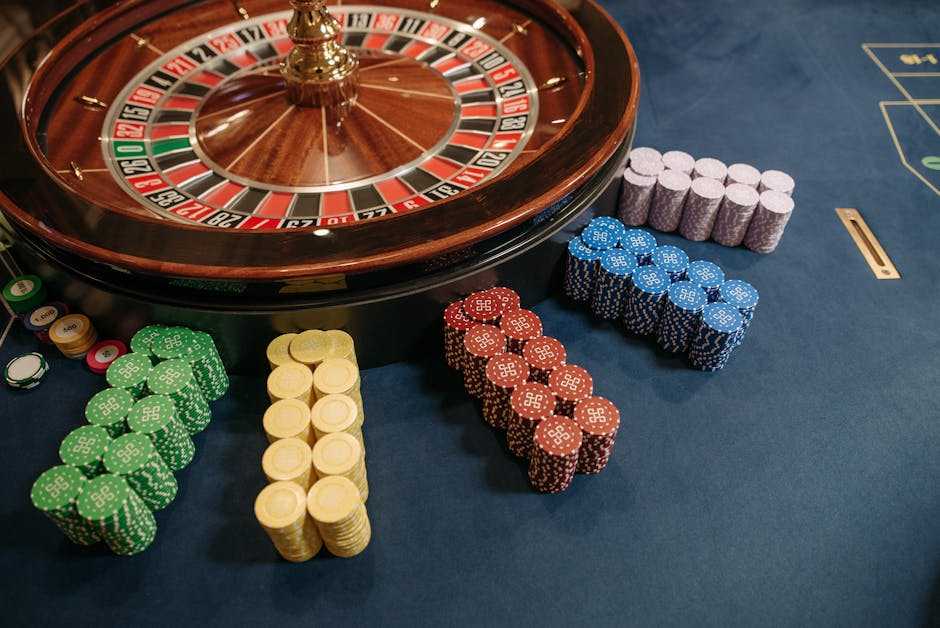
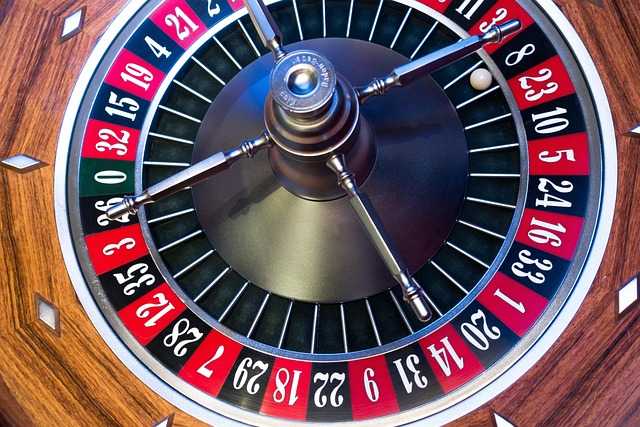
Classic casino games dominate: baccarat, sic bo, and roulette remain top choices
More Than Just Roulette
Despite its glittering high stakes image, Macau also draws a diverse range of visitors.
Casual Appeal:
Slot machines, electronic table games, and daily tournaments welcome recreational players
Tourists come for the unique mix of luxury, gambling, and cultural experiences
Local cuisine, colonial architecture, and family friendly attractions expand Macau’s reach
Economic Impact and What’s Ahead
As the only Chinese territory where casino gambling is legal, Macau plays a unique role in regional and global gaming.
Current Impact:
Massive contribution to GDP through gaming taxes and hospitality revenue
Employment hub for both local and foreign workers in the service industry
Looking Forward:
Focus on diversifying beyond gambling to reduce economic vulnerabilities
Investment in non gaming infrastructure like theme parks, concerts, and business centers
Shifts in visitor demographics more families, fewer exclusive VIPs
Macau remains the benchmark for gaming excellence in Asia. But as the region grows more competitive, the city is adapting blending heritage with innovation to hold its ground in an ever expanding market.
Singapore: Sleek, Strict, and Serious About the Game
Singapore doesn’t mess around when it comes to gambling. It’s clean, tight, and highly controlled by design. Marina Bay Sands and Resorts World Sentosa aren’t just casinos; they’re entire micro cities built for entertainment, high end dining, designer shopping, and yes, gaming. But make no mistake, these are highly curated spaces where everything, even the dice roll, feels intentional.
The government oversees entry with an iron glove. Locals pay an entry levy, a not so subtle deterrent aimed at discouraging habitual play. Tourists, on the other hand, walk in freely but everyone is monitored. Responsible gambling isn’t just a tagline here. It’s woven into policy, architecture, and experience. Pop up reminders, self exclusion tools, and deep background checks are all part of the deal.
What sets Singapore apart from a place like Macau is restraint. While Macau leans into its legacy as a chaotic, high stakes player’s paradise, Singapore operates more like a luxury showroom. You won’t find the same volume of junket heavy VIP culture or edge of your seat chaos. What you’ll find is precision: fewer casinos, more polish, and a gaming experience built for visitors who prefer caution with their cards.
In Singapore, gambling isn’t a free for all. It’s a carefully engineered perk in a broader tourism strategy and the country’s making it work.
The Emerging Scene in the Philippines and South Korea

Manila has stepped up. Once seen as a distant alternative to Macau or Singapore, the capital’s Entertainment City is now a serious player. With integrated resorts like City of Dreams, Okada Manila, and Solaire, the city is serving up high end experiences that mix gaming, dining, and luxury stays. Investment has poured in. The architecture’s bold, the facilities are modern, and the foot traffic local and international is growing fast.
South Korea is playing a different hand. Casino hubs like Jeju and Incheon cater exclusively to foreigners, by law. While this limits the domestic market, it sharpens the focus on tourists particularly from China and Japan. Incheon’s Paradise City, with its Vegas inspired design and proximity to the airport, is betting big on convenience and global glamour. Jeju keeps the vibe more resort like, leaning into its island charm and quick visa policy.
Behind all this are governments pushing for tourism driven economies. Gaming is part of a bigger strategy: create jobs, attract visitors, grow revenue. Regulations vary, but there’s a shared theme controlled expansion, with a strong eye on perception and social impact. Manila and South Korea don’t just want a slice of the regional pie. They’re trying to cut their own.
Compared to mega giants like Macau, they’re still building their edge. But with the right mix of access, policy support, and ongoing development, they’re no longer on the sidelines.
Beyond Asia: The Global Connection
As Asian gambling destinations continue to expand, it’s impossible not to compare them with long established Western giants especially Las Vegas. Cities like Macau and Singapore are increasingly being measured not just by their gaming revenue, but also by their overall entertainment experience and international appeal.
Asia vs. Vegas: How They Compare
While Las Vegas remains a symbol of all out entertainment and gaming freedom, Asian cities are taking a more nuanced approach:
Macau consistently outpaces Vegas in gambling revenue, but its offerings remain heavily focused on high stakes gaming and VIP culture.
Singapore delivers a carefully curated experience with strict government controls, focusing on luxury and restraint.
Vegas thrives on spontaneity, craft cocktails, and show stopping performances, whereas cities like Macau and Manila are only beginning to scale up non gambling attractions to a comparable level.
A Look at International Visitors
Macau welcomes millions of tourists annually, mostly from Mainland China, with growing interest from Southeast Asia.
Singapore attracts a broader international base, balancing gaming with luxury tourism and business conventions.
Vegas remains a magnet for American tourists and international travelers seeking the classic casino experience.
Spending habits differ too:
Asian casinos often see higher average bets per visitor.
Western destinations tend to rely on volume and supplementary spending across dining, nightlife, and retail.
More Than Just Gambling
Modern casinos are evolving into full entertainment ecosystems, especially in Asia’s newer markets like the Philippines and South Korea. Today’s top tier resorts often feature:
Live concerts and cultural performances
Luxury retail and wellness centers
Fine dining from celebrity chefs
Convention spaces and themed attractions
This mirrors a global shift from the casino as a standalone attraction to an all inclusive entertainment hub.
Explore Further
For a Western perspective and comparison, explore our dedicated guide on Las Vegas:
The Ultimate Guide to Las Vegas Gambling Hotspots: Top Casinos and Insider Tips
What to Watch Next in the Asian Gambling Boom
Japan is inching closer to joining Asia’s gambling map with its long discussed integrated resorts (IRs). Though plans have faced political hurdles and pandemic slowdowns, momentum is picking up. Osaka’s IR project, backed by MGM and Orix, could become the poster child if it launches on schedule later this decade. Unlike the flash of Macau or the polish of Singapore, Japan’s approach is slower, heavily regulated, and extremely strategic making anticipation around its first major venue even more intense.
Technology is also reshaping the regional casino game. From mobile first betting to ultra high definition live dealer platforms, innovation isn’t optional. AI driven surveillance and player behavior analytics are already being phased in at newer properties across Asia. These tools reduce fraud, optimize floor analytics, and can help deliver more personalized gaming experiences. In a market where margins matter, precision tech offers a clear edge.
Still, the battle between innovation and regulation rages on. Local governments juggle the promise of economic uplift with the cultural friction gambling can carry. Japan provides the clearest example: frameworks are tight, licenses few, and public scrutiny high. The success of IRs there won’t just be about glitzy launches it’ll hinge on transparency and public trust.
Looking ahead, casino tourism is likely to surge as borders loosen and higher end travelers resume bucket list trips through Asia. Destinations will market not just gaming but food, shopping, and shows too. More than ever, casinos are shaping up as lifestyle precincts and Japan may be next to redefine what that looks like in a uniquely local way.
 is an integral member of the Luck Lounge Land team, renowned for his expertise in the economics of gambling. With a robust background in finance and statistics, Stephen offers comprehensive analyses of gaming trends and economic strategies. His work helps users understand the financial aspects of gambling and how to make informed decisions.
At Luck Lounge Land, Stephen is responsible for the 'Economics of Play' section, where he explores the financial mechanics behind various games. His articles are widely respected for their depth and clarity, making complex concepts accessible to a broad audience. Stephen’s dedication to education is also evident in his contributions to the 'Game Theory Academy.'
is an integral member of the Luck Lounge Land team, renowned for his expertise in the economics of gambling. With a robust background in finance and statistics, Stephen offers comprehensive analyses of gaming trends and economic strategies. His work helps users understand the financial aspects of gambling and how to make informed decisions.
At Luck Lounge Land, Stephen is responsible for the 'Economics of Play' section, where he explores the financial mechanics behind various games. His articles are widely respected for their depth and clarity, making complex concepts accessible to a broad audience. Stephen’s dedication to education is also evident in his contributions to the 'Game Theory Academy.'