What is shotscribus software?
shotscribus software is a streamlined desktop publishing (DTP) application. It’s open source, crossplatform, and aimed at users who need precision in page design without an enterprisegrade learning curve. Think of it as Scribus’s leaner sibling—ideal for freelance designers, DIY publishers, or educators working on tight timelines.
It’s not trying to be everything to everyone, and that’s its strength. You get focused control over typography, image positioning, and page structure, all without getting buried in menu mazes.
Key Features That Matter
Here’s what you get with shotscribus software, boiled down:
Precise Typography Control: Kerning, line spacing, and font embedding are all there. You can adjust every aspect of your text’s appearance to make sure it’s pixelperfect.
Master Pages: These let you create templates across long documents. Set your headers, footers, or style elements once, then reuse them. Nearzero redundancy.
Image Management: It doesn’t try to edit photos—that’s not its job. But it links to highresolution imagery flawlessly and positions it however you need.
PDF Export with Bleeds: Publishing a printready PDF with the right margins and color profiles is seamless. No surprises at the printer.
Minimal UI: The interface is intentionally sparse. You focus on layout—not on toggling toolbars or closing popups.
For users familiar with tools like Scribus or Inkscape, this software will feel intuitive. For everyone else, the learning curve is manageable—with fewer distractions out of the gate.
Who Should Use shotscribus software?
If your job involves building polished documents but not massive marketing campaigns, this lightweight DTP option is a smart bet. Here’s who it best serves:
Independent publishers of zines, booklets, or comics. Freelance graphic designers who want opensource tools. Marketing teams in nonprofits or startups that can’t afford Adobe licenses. Educators creating curriculum material, worksheets, or newsletters.
In short, anyone who needs consistent layout design without heavy rendering or cloud integration. Not everyone needs 800 fonts and dynamic data merge. Sometimes you just need the basics—done well.
shotscribus software vs. the Alternatives
How does it stack up when compared to other DTP platforms like Adobe InDesign, Scribus, or Canva? Briefly:
InDesign is the gold standard—but it comes with a price and a time cost. It’s overkill for small projects. Scribus is robust and fully free—but heavier than shotscribus software, both in features and interface complexity. Canva is browserbased and beginnerfriendly—but offers limited layout control and no serious typography tools.
So where does that leave shotscribus software? Right in the sweet spot for power users who want freedom and performance, not fluff.
Smart Tips for Working with shotscribus software
If you’re just getting started, here are a few ways to work smarter—not harder:
Use styles early: Define your paragraph and character styles from the getgo. It saves time and secures layout consistency. Stick to linked assets: Don’t embed huge image files; link them externally and keep your project light. Save versions: This isn’t Photoshop—”undo” only gets you so far. Save incremental versions during long sessions. Master pages aren’t just for books: Use them to standardize business cards, flyers, or even form templates.
The tool rewards planning. Build your styles and master structure first, then get into the visuals.
Final Thoughts: Is shotscribus software Right for You?
If you want full control over how your content looks—real control—shotscribus software delivers it with zero frills. It may not hold your hand, but it won’t slow you down either.
It’s built for people who care about design but don’t want their tools to dictate workflows. There may be a slight learning curve, especially if you’re used to Canva’s draganddrop environment. But if precision and performance are your goals, this is worth the switch.
Bottom line: shotscribus software is a quiet powerhouse. Give it a shot, and you might just leave the bigbudget tools behind.
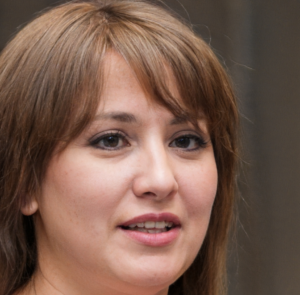 is a key contributor to Luck Lounge Land, bringing her expertise in psychology and behavioral analysis to the platform. Her work focuses on the psychological aspects of gambling, helping users understand player motivations and decision-making processes. Morgana’s well-researched articles make her a respected voice in the community.
She also contributes to the site's 'Game Theory Academy,' developing modules on strategic thinking. Outside of her professional work, Morgana enjoys studying the latest trends in casino games and behavioral research. Her passion for the field and engaging writing make her a valuable asset to the Luck Lounge Land team.
is a key contributor to Luck Lounge Land, bringing her expertise in psychology and behavioral analysis to the platform. Her work focuses on the psychological aspects of gambling, helping users understand player motivations and decision-making processes. Morgana’s well-researched articles make her a respected voice in the community.
She also contributes to the site's 'Game Theory Academy,' developing modules on strategic thinking. Outside of her professional work, Morgana enjoys studying the latest trends in casino games and behavioral research. Her passion for the field and engaging writing make her a valuable asset to the Luck Lounge Land team.